

Does Automation the Best Option in Reducing Labour Costs
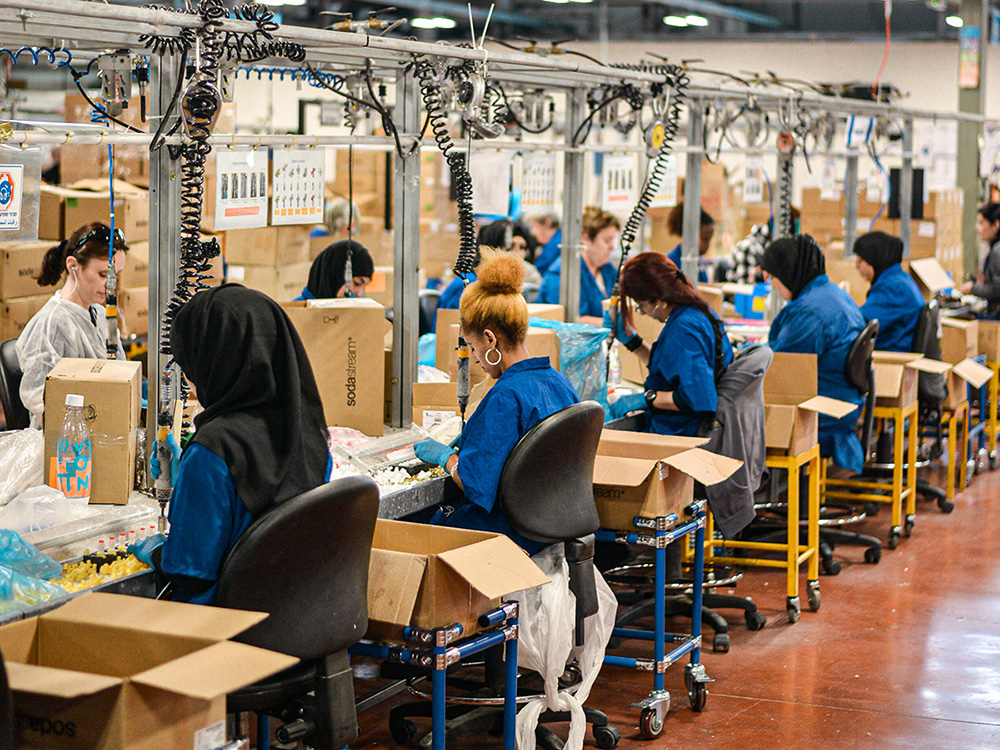
In present days, manufacturing is changing rapidly and are under constant battle to stay competitive in delivering high quality product in the shortest period of time. Thus, the need for automation is highly increasing and most manufacturers are adopting automation as a way to facilitate their processes and achieve their goals quickly and efficiently. On top of that, it is also believes that manufacturers are adopting automation as one of the ways in reducing labour costs.
Defining Automation and Its Benefits
Automation or also known as labour-saving technology is the technology that allows conversion of a workflow or equipment to operate autonomously with minimal intervention from humans. Manufacturing is one of the industries which greatly benefited through adoption of automation since automated machine can perform human task with better efficiency and consistency. Therefore, manufacturer can minimize number of labours required to run their production and hence, reduce labour costs. Apart of reducing labour costs, benefits commonly attributed to automation include higher production rates, increased productivity, efficient use of raw materials, improved product quality, shorter workweeks for labour, and reduced factory lead times.
Manufacturing Workforce
In the year 2014, Accenture reported around 80% of manufacturers were having shortage of human workforce for skilled positions. To cater this problem, most manufacturers are shifting toward advanced technologies and investing in automated machine workforce. Most people fear that they will lose their job trough automation. In reality, automation still requires human touch and also creates new jobs for which humans are better suited. Human workforces are transfer into roles where they can excel such as machine maintenance, scheduling and process optimization, systems analysis and computer programming which require knowledge and technical skill rather than doing repetitive physical work. On the other hand,automated machine workforces typically perform repetitive, straining and time-consuming task for people to perform. Unlike human beings, automated machine do not involve any fatigue which allow the manufacturer to run their production for 24 hours thus increase their productivity with consistent product quality.
Cost of Machine vs. Cost of Human Labour
Over the years, human labour costs are increasing while cost of machines is gradually decreasing due to the technological innovations. The cost of human labour includes all employee wages, benefits, compensation insurance and payroll taxes paid by an employer. However, business owner needs to take into account some intangible costs too such as slower pace of human labour, product loss or rework due to human error which indirectly affecting the cost of human labour. On the other hand, cost of machine includes up-front of hardware and software investment, installation, operator wages and on-going maintenance due to planned or unplanned shutdown. However, machine does not require other employee benefits such as bonuses and pension coverage.
In conclusion, although automation requires high initial cost, significant cost saving can be achieved through reduction of employee hours and money spend on employees’ monthly wages. Automation also requires minimum number of employees to operate the machine thus reducing labour cost.